

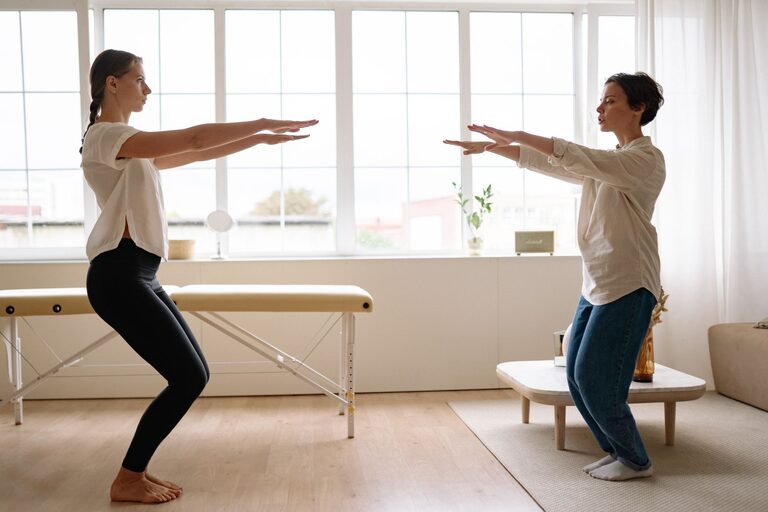
Adding more movement to your day doesn’t mean you need to dedicate hours to the gym or sign up for intense workout classes. Small, consistent changes can make a big difference in your overall health and energy levels. Whether you work from home, have a busy schedule, or are simply looking for ways to stay active without stress, these easy tips will help you move more throughout your day.
Why Movement Matters
Regular physical activity supports heart health, improves mood, boosts energy, and helps maintain a healthy weight. Even light movement can improve circulation and reduce the risks associated with prolonged sitting. Incorporating movement doesn’t have to be complicated—it’s about finding opportunities that fit your lifestyle.
Simple Ways to Increase Daily Movement
1. Take Short Active Breaks
If you spend long hours sitting at a desk, schedule short breaks every hour to stand up, stretch, or walk around. Just 5 minutes of movement can help reduce muscle stiffness and improve focus.
– Set a timer to remind you to stand up every hour.
– Walk around the room or do gentle stretches.
– Use break time to do a few bodyweight exercises like squats or calf raises.
2. Walk Whenever Possible
Walking is one of the easiest ways to add movement. Try some of these ideas:
– Park farther from the entrance when you go shopping.
– Take the stairs instead of the elevator.
– Walk during phone calls or meetings.
– Explore your neighborhood with a daily stroll.
3. Incorporate Movement into Household Chores
Housework counts as physical activity, so turn these tasks into chances to move more:
– Vacuum, mop, or sweep actively and with good posture.
– Dance or move energetically while cleaning.
– Carry groceries or other items rather than making multiple trips.
4. Use a Standing or Adjustable Desk
Alternating between sitting and standing can increase movement and reduce the negative impacts of sitting too long.
– Try standing for part of your workday.
– Walk in place or shift weight from one foot to the other while standing.
– Take advantage of standing breaks to stretch or move around.
5. Make Movement Social
Exercise is more enjoyable when shared with others. Look for opportunities to be active with friends or family.
– Plan a walk or hike with a friend.
– Join a group fitness class or club.
– Play active games with kids or pets.
6. Add Mini Exercise Sessions
Short bursts of exercise throughout the day can add up and fit into even the busiest schedules.
– Do a quick set of jumping jacks, lunges, or push-ups during TV commercials.
– Use online videos for 5-10 minute workouts.
– Try simple yoga or stretching routines to improve flexibility and reduce tension.
7. Use Technology to Your Advantage
Apps and devices can help remind you to move and track your activity.
– Set reminders to stand or move every hour.
– Use step counters or fitness trackers to motivate daily movement goals.
– Follow guided movement or stretching sessions through apps.
Tips for Staying Consistent
– Set realistic goals: Start small and gradually increase movement to avoid burnout.
– Make movement enjoyable: Choose activities you like so it feels less like a chore.
– Listen to your body: Move at a comfortable pace to prevent injury.
– Create cues: Link movement to regular habits like stretching after brushing your teeth.
– Celebrate progress: Recognize and reward yourself for meeting movement goals.
Final Thoughts
Adding more movement to your day can be simple, fun, and flexible. By integrating small changes into your daily routine, you’ll notice improvements in your mood, energy, and overall well-being. Remember, every step counts, and the best movement is one that fits your life and feels good to you. Start today, and take that first move toward a more active and vibrant lifestyle!