

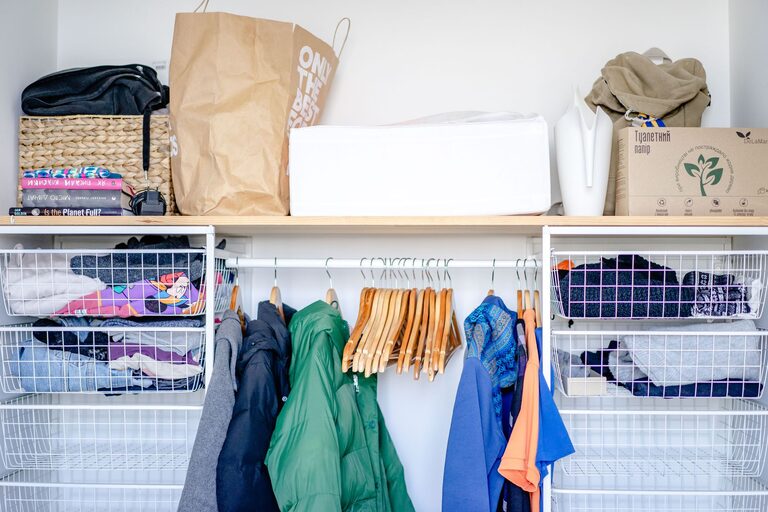
Storing seasonal clothes can become a daunting task, especially when space is limited. Efficient storage not only keeps your wardrobe organized but also helps protect your clothes from damage. Whether you’re packing away winter coats or summer dresses, following a few simple strategies can make the process easier and more effective.
Why Efficient Seasonal Storage Matters
Properly storing seasonal clothes helps you:
– Maximize closet and storage space
– Protect garments from dust, moisture, and pests
– Keep your wardrobe organized and easy to access
– Extend the life of your clothes by preventing damage
By creating a system that works for your space and your wardrobe, you can enjoy a clutter-free home throughout the year.
Step 1: Sort and Declutter Before Storing
Before packing anything away, take time to sort through your seasonal clothes.
– Try on your clothes: This helps you determine what still fits and what you actually wear.
– Separate items: Group clothes into three piles—keep, donate/sell, and discard.
– Clean everything: Always wash or dry clean clothes before storing to prevent stains from setting and to avoid attracting pests.
Decluttering will reduce storage needs and make your next season’s wardrobe easier to manage.
Step 2: Choose the Right Storage Containers
Selecting appropriate storage containers is crucial for maintaining your clothes’ condition.
Storage Options to Consider
– Plastic bins with airtight lids: Great for protecting clothes from moisture and dust.
– Fabric storage bags: Breathable and better for delicate fabrics but may not protect against pests as well.
– Vacuum-sealed bags: Save space and protect clothes but be cautious with delicate fabrics as compression can cause creasing.
– Storage boxes with dividers: Help keep smaller items like scarves or socks organized.
Make sure containers are clean and dry before use.
Step 3: Use Proper Folding and Packing Techniques
How you pack clothes influences their shape and longevity.
– Fold clothes neatly: Avoid wrinkles by folding along natural lines.
– Roll lighter items: T-shirts and casual wear can be rolled to save space.
– Use acid-free tissue paper: Place between folds to reduce creasing, especially for delicate fabrics.
– Avoid overpacking: Leave some breathing room in containers to prevent wrinkles and fabric damage.
For bulky items like sweaters, fold loosely to maintain their shape.
Step 4: Label Everything Clearly
Labeling saves time and frustration when retrieving clothes.
– Use waterproof labels: Prevent smudging or fading.
– Include contents and season: For example, “Winter Sweaters” or “Summer Dresses.”
– Consider color-coded labels: Assign one color per season for quick identification.
Clear labeling helps keep your storage system organized and user-friendly.
Step 5: Store Clothes in a Dry, Cool, and Dark Place
Where you store your clothes matters as much as how you store them.
– Avoid humid areas: Moisture promotes mold and mildew growth.
– Keep away from direct sunlight: Sunlight fades fabrics and weakens fibers.
– Choose a well-ventilated space: Good air circulation helps prevent odors and dampness.
– Elevate containers off the floor: This protects against potential water damage.
Common storage spots include closets, under-bed storage, or dedicated storage rooms.
Step 6: Add Natural Protectors for Pests and Odors
Protect your clothes from moths and odors naturally.
– Use cedar blocks or balls: They repel moths and add a pleasant scent.
– Lavender sachets: These also help deter pests and freshen clothes.
– Avoid mothballs: They contain chemicals that can be harmful and leave a strong odor.
Refresh these natural protectors every few months to maintain effectiveness.
Step 7: Rotate Your Wardrobe Seasonally
When it’s time to switch seasons, take a moment to:
– Inspect stored clothes: Look for signs of damage or moisture.
– Re-fold or re-pack items if needed: Prevent long-term creasing.
– Clean storage containers: Ensure they are free of dust and pests before repacking.
Regularly rotating your wardrobe keeps your clothes in good shape and your storage system organized.
Bonus Tips for Seasonal Clothing Storage
– Use garment bags for delicate items: Protect fancy dresses or suits from dust without compressing them.
– Store shoes separately: Use shoe boxes or fabric bags to keep pairs together and protect them.
– Keep a storage inventory list: Note what’s in each container to avoid unnecessary digging.
– Utilize under-bed storage: Great for off-season clothes if closet space is limited.
—
Efficient seasonal clothes storage doesn’t have to be complicated. By sorting, choosing the right containers, packing carefully, and storing in a suitable environment, you’ll keep your wardrobe fresh and accessible year-round. A little planning makes a big difference in maintaining an organized home and extending the life of your clothes. Happy organizing!