

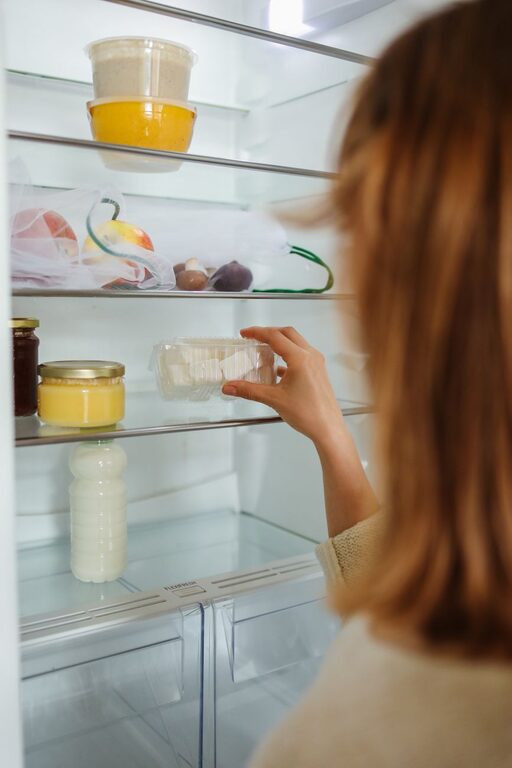
Keeping your fridge and pantry tidy not only makes your kitchen look neat but also helps you save time, reduce food waste, and enjoy a more efficient cooking experience. A cluttered fridge can hide expired items, and a messy pantry can make it hard to find ingredients when you need them the most. Fortunately, with a few simple habits and organizational tricks, you can maintain a clean and orderly food storage space that works for you.
Why Keeping Your Fridge and Pantry Tidy Matters
A well-organized fridge and pantry:
– Makes meal prep faster and less stressful.
– Helps you keep track of food items, reducing waste.
– Saves money by preventing duplicate purchases.
– Keeps food fresher by storing items properly.
– Improves kitchen hygiene and reduces unpleasant odors.
Preparing to Organize: What You Need
Before you start, gather these supplies:
– Cleaning cloths or sponges
– Mild cleaning spray or a vinegar-water solution
– Trash bags for expired or unwanted items
– Storage containers (clear, stackable recommended)
– Labels or a marker for marking containers and shelves
Step 1: Empty and Clean
Begin by taking everything out of your fridge and pantry. This gives you a chance to clean all the surfaces and assess what you have.
How to clean your fridge and pantry:
– Remove shelves and drawers from the fridge; wash them with warm, soapy water.
– Wipe down all interior surfaces with a mild cleaner.
– For the pantry, dust and wipe shelves using a damp cloth.
– Let everything dry completely before replacing items.
Step 2: Sort and Declutter
Go through your food items and check for:
– Expired or spoiled products.
– Items you no longer use or want.
– Duplicates that can be consolidated.
Dispose of anything past its expiration or no longer edible. Consider donating unopened non-perishables you won’t use if they are still good.
Step 3: Organize by Category and Frequency of Use
To make items easier to find, group them into categories:
Fridge categories might include:
– Dairy (milk, cheese, yogurt)
– Meats and seafood
– Fruits and vegetables
– Condiments and sauces
– Leftovers
Pantry categories might include:
– Baking supplies
– Canned goods
– Snacks
– Grains and pasta
– Spices and herbs
Place frequently used items at eye level or in the most accessible spots. Reserve higher or lower shelves for less commonly used goods.
Step 4: Use Containers and Labels
Clear containers help keep similar items together and make it easier to see what you have at a glance.
Tips:
– Use stackable bins to maximize vertical space.
– Store small packets in labeled baskets.
– Use airtight containers for items like flour, sugar, and cereals to keep them fresh.
– Label shelves or containers with their contents and expiration dates if possible.
Step 5: Practice Smart Storage in Your Fridge
Proper food storage helps maintain freshness and prevent cross-contamination.
Fridge storage tips:
– Keep raw meat on the bottom shelf in a container to prevent drips.
– Store dairy in the coldest part of the fridge, usually near the back.
– Keep fruits and vegetables in their designated drawers to control humidity.
– Avoid overcrowding to allow proper air circulation.
Step 6: Maintain a Routine
A one-time clean won’t last forever. Set up simple habits to keep your fridge and pantry organized:
– Do a quick weekly check to toss expired items and wipe spills.
– When you bring groceries home, put them away systematically.
– Try “first in, first out”—use older items before newer ones.
– Schedule seasonal deep cleans every few months.
Additional Tips for Success
– Use clear doors and transparent containers to quickly spot items.
– Consider using a lazy Susan for condiments or spice racks for easy access.
– Keep a shopping list near your pantry to note what you need.
– Avoid buying more than your space can hold to prevent clutter.
Conclusion
Keeping your fridge and pantry tidy doesn’t have to be overwhelming. With regular cleaning, smart organization, and a little planning, you can create a functional kitchen space that supports your healthy eating and cooking habits. Start small, and you’ll enjoy the benefits of an organized kitchen every day. Happy organizing!