

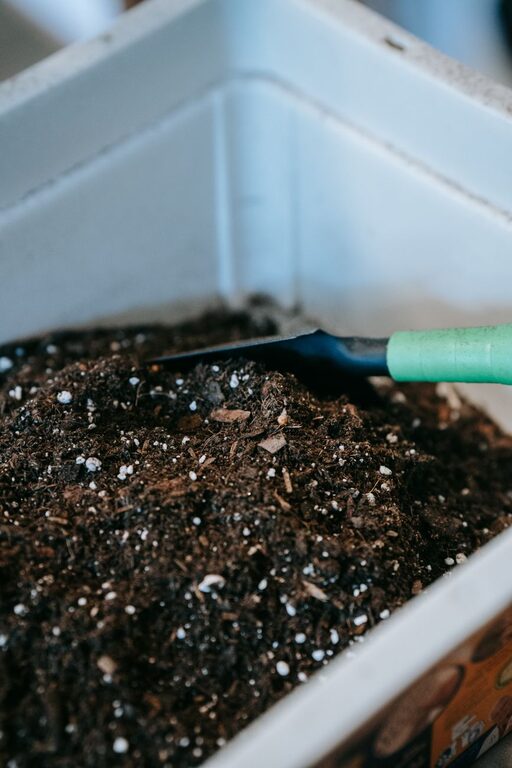
Composting at home is a fantastic way to reduce waste, enrich your garden soil, and contribute to a healthier environment. If you’re new to composting, it may seem a little overwhelming at first, but with some basic knowledge and patience, you can start turning your kitchen scraps and yard waste into nutritious compost in no time. This guide will walk you through beginner-friendly tips to help you start composting successfully at home.
What is Composting?
Composting is the natural process of recycling organic material like food scraps and yard waste into a rich soil amendment known as compost. Compost enriches soil, helps retain moisture, suppresses plant diseases, and reduces the need for chemical fertilizers.
Benefits of Composting at Home
– Reduces landfill waste: Composting keeps kitchen and yard waste out of the trash.
– Improves soil health: Compost adds nutrients and beneficial microbes to your soil.
– Saves money: Less need to buy fertilizers or soil conditioners.
– Supports plant growth: Healthier soil leads to stronger, more productive plants.
Getting Started: Beginner Tips for Home Composting
1. Choose the Right Compost Bin
Start with a compost bin that suits your space and needs.
– Types: You can use a simple open pile, a tumbling composter, or a sealed container.
– Size: A bin around 3 feet wide, tall, and deep is ideal but adjust based on your space.
– Location: Place your compost bin in a well-drained, shaded or partially shaded spot for optimal results.
2. Understand What to Compost
Knowing what materials to add is key.
– Greens (Nitrogen-rich): Fruit and vegetable scraps, coffee grounds, tea bags, fresh grass clippings.
– Browns (Carbon-rich): Dry leaves, straw, paper (shredded), cardboard pieces, wood chips.
3. Avoid Adding These Items
Certain materials can cause odors, pests, or slow decomposition.
– Meat, dairy, and oily foods
– Diseased plants or invasive weeds
– Pet waste
– Treated wood or synthetic materials
4. Layer Your Compost
Create layers alternating between browns and greens.
– Start with a layer of coarse browns (twigs or straw) for aeration.
– Add a layer of greens.
– Continue alternating, aiming for a roughly 3:1 ratio of browns to greens to maintain balance.
5. Keep Your Compost Moist
The compost pile should be damp like a wrung-out sponge.
– If it’s too dry, add water.
– If it’s too wet or smelly, add more browns and turn it to introduce air.
6. Turn Your Compost Regularly
Turning (mixing) your compost every 1-2 weeks speeds decomposition by adding oxygen.
– Use a pitchfork or compost aerator tool.
– Turning also helps prevent odors and pest issues.
7. Be Patient
Compost can take anywhere from a few months to a year to fully mature, depending on conditions.
– Finished compost looks dark, crumbly, and smells earthy.
– If your pile is slow to break down, check moisture, balance of materials, and aeration.
Troubleshooting Common Composting Problems
| Problem | Cause | Solution |
|———————–|——————————–|——————————————–|
| Smelly compost | Too wet or too much green material | Add more browns, turn pile, reduce moisture |
| Compost too dry | Not enough water | Sprinkle water and mix |
| Attracting pests | Food scraps like meat or oily foods | Avoid adding these materials, cover food scraps with browns |
| Slow decomposition | Lack of nitrogen, oxygen, or moisture | Add green materials, turn pile, moisten |
Using Your Finished Compost
Once ready, your homemade compost can be used in many ways:
– Mix into garden beds to improve soil structure.
– Use as mulch around plants to conserve moisture.
– Add to potting soil for indoor or container plants.
– Topdress lawns for a natural fertilizer boost.
Final Tips for Success
– Start small and expand your composting area as you gain confidence.
– Chop or shred larger materials to speed up decomposition.
– Use a compost thermometer if you want to track the temperature; hot composting breaks down waste faster.
– Keep a kitchen scrap bucket handy to collect compostable scraps easily.
Conclusion
Composting at home is a rewarding practice that benefits both your garden and the planet. By following these beginner tips—choosing the right bin, balancing your materials, maintaining moisture, and turning your pile regularly—you’ll be on your way to producing rich, healthy compost in no time. Happy composting!