

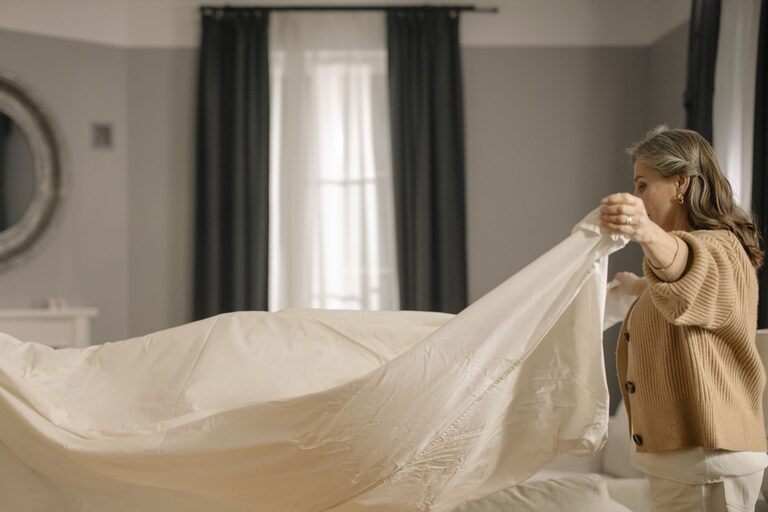
A good night’s sleep starts with comfortable bedding, but many people overlook the importance of properly rotating and caring for their sheets, pillows, and mattresses. Regular maintenance not only keeps your bedding fresh and inviting but also helps it last longer, saving you money in the long run. In this guide, we’ll walk you through the best practices for rotating and caring for your bedding so you can enjoy a cozy, clean sleep environment.
Why Rotating Bedding Matters
Rotating your bedding involves changing the position of your mattress, pillows, and sometimes the sheets to ensure even wear across all parts. This simple habit provides multiple benefits:
– Prevents uneven wear and sagging: Regular rotation helps distribute your body weight evenly, maintaining mattress support.
– Promotes hygiene: Changing pillow positions can reduce buildup of oils and allergens.
– Extends lifespan: Proper care slows down damage, helping avoid early replacement.
How to Rotate Your Mattress Correctly
Mattresses can be a significant investment, so caring for them properly is essential. Here’s how to rotate your mattress for maximum durability:
1. Check the Manufacturer’s Instructions
Before rotating or flipping your mattress, review the care label or manual. While many mattresses can be flipped over as well as rotated, some are designed with a single sleep surface and should only be rotated.
2. Rotate Every 3 to 6 Months
To keep your mattress in good shape, rotate it 180 degrees every three to six months. This means moving the head of the mattress to the foot. If your mattress can be flipped, do that as well to help reduce impressions and wear.
3. How to Rotate
– Remove all bedding from the mattress.
– Get help with lifting — mattresses can be heavy.
– Turn the mattress so the top side remains up but the head end swaps with the foot end. If flipping, turn it over as well.
– Replace bedding and make your bed.
Caring for Pillows to Maintain Support
Pillows can quickly become lumpy and lose their shape if not cared for properly. Follow these tips to keep your pillows comfortable:
– Rotate regularly: Turn your pillows end to end every couple of weeks to even out wear.
– Fluff daily: Give pillows a good fluff each morning to redistribute filling and keep them lofted.
– Wash according to instructions: Most pillows need washing every 3-6 months. Use a gentle cycle and dry thoroughly.
– Use pillow protectors: These add a layer of protection against sweat and allergens.
Maintaining Sheets and Bedding Fabric
Your bedding fabrics also need regular care to keep their freshness and softness:
1. Wash Sheets Weekly
Washing your sheets once a week removes body oils, sweat, and skin cells. Use warm water and mild detergent for best results. Avoid overloading the washer to let linens move freely.
2. Rotate Sets
If possible, have at least two to three sets of sheets to rotate through. This reduces wear on any single set and gives you time to wash and fully dry linens without rushing.
3. Handle Different Materials Properly
– Cotton: Wash in warm water, dry on low heat.
– Linen: Use gentle detergent, avoid fabric softeners, air dry when possible.
– Silk: Hand wash or use delicate cycle and air dry.
– Flannel: Wash in cold water, dry on low heat to prevent shrinkage.
4. Iron or Steam as Needed
Ironing or steaming sheets can keep them soft and wrinkle-free, although it’s usually optional. For a relaxed, cozy look, simply smooth sheets by hand after making your bed.
Additional Tips for Bedding Care
– Use mattress protectors: These guard against spills, dust mites, and allergens, making cleaning easier.
– Keep pets off the bed: Pets can track dirt and hair onto bedding.
– Maintain bedroom cleanliness: Regularly vacuum and dust to reduce allergens.
– Allow bedding to air out: On sunny days, take off bedding and let it air in natural sunlight for freshness.
When to Replace Bedding
Even with great care, bedding wears out over time. Replace your mattress every 7-10 years depending on quality and condition. Pillows typically need replacement every 1-2 years. Sheets and pillowcases should be replaced when they become thin, torn, or permanently stained.
—
By following these simple steps to rotate and care for your bedding properly, you’ll create a more comfortable sleep environment and protect your investment. With regular attention and proper maintenance, your bed can remain a cozy retreat for years to come. Sweet dreams!