

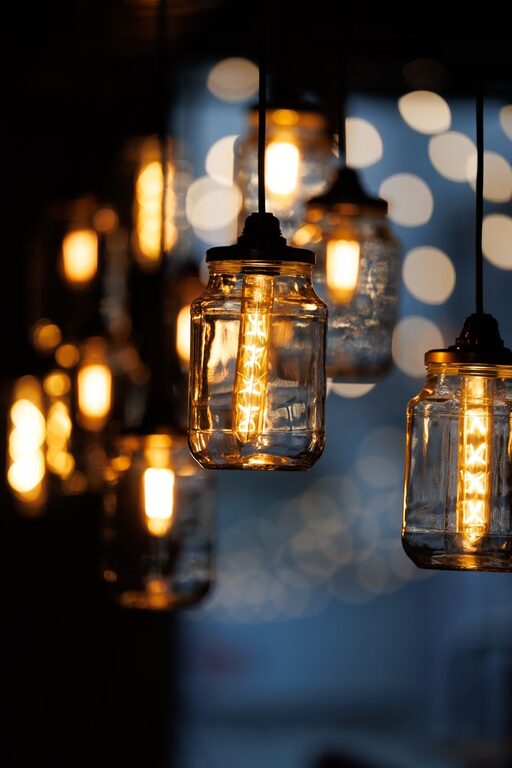
Creating comfortable home lighting is essential for making your living space warm, inviting, and functional. Whether you’re reading a book in the living room, cooking in the kitchen, or relaxing in the bedroom, the right lighting can enhance mood, reduce eye strain, and highlight your interior design. In this post, we’ll explore helpful tips to choose home lighting that feels comfortable and suits your needs.
Understanding the Importance of Comfortable Lighting
Comfortable lighting goes beyond just brightness. It involves the quality, color, and placement of lights to support your activities and create a pleasant atmosphere. Poor lighting can cause headaches, eye fatigue, and a dull or harsh ambiance. Good lighting, on the other hand, balances functionality and aesthetics, helping you feel relaxed and energized according to the time and purpose of the room.
1. Assess Your Lighting Needs by Room
Each room has different lighting requirements depending on how you use it. Start by considering these common spaces:
Living Room
The living room is typically a multi-purpose area for socializing, watching TV, and reading. Use layered lighting that combines ambient (general) light with task lighting and accent lights. For example, overhead fixtures provide overall illumination, while floor or table lamps offer focused light for reading.
Kitchen
Bright, focused lighting is important in the kitchen, especially over countertops and cooking areas. Use under-cabinet lights or adjustable spotlights to improve visibility. Avoid harsh overhead lighting by choosing diffused fixtures.
Bedroom
Soft, warm lighting works best in bedrooms to create a relaxing environment. Use dimmable bedside lamps or wall sconces for reading without disturbing your partner. Avoid overly bright or blue-toned lights before bedtime to promote better sleep.
Bathroom
Bathrooms need bright, even lighting to help with grooming tasks. Position vanity lights on either side of the mirror at eye level to reduce shadows on your face.
2. Choose the Right Bulb Type and Color Temperature
The type of bulb and its color temperature can dramatically affect comfort:
– LED bulbs are energy-efficient, long-lasting, and available in various color temperatures.
– Warm white (2700K–3000K) creates a cozy, inviting feel, ideal for living rooms and bedrooms.
– Neutral white (3500K–4100K) works well for kitchens and bathrooms, providing a clean, natural look.
– Cool white or daylight (5000K and above) is bright and crisp, suitable for workspaces but can feel harsh in relaxing areas.
When possible, select bulbs labeled as “soft white” or “warm white” to avoid harsh lighting.
3. Use Dimmers to Adjust Brightness
Installing dimmer switches is a simple way to control lighting levels throughout the day and evening. Dimmers allow you to:
– Lower brightness for a calm atmosphere in the evening
– Increase light for tasks or cleaning
– Customize lighting levels to fit different moods
Make sure your bulbs are compatible with dimmers for smooth operation.
4. Consider Light Placement and Fixture Styles
Where and how you place your lights affects both comfort and style:
– Position lights to avoid glare, especially near screens or reflective surfaces.
– Use lampshades or diffusers to soften light and reduce harsh shadows.
– Combine ceiling lights with floor and table lamps for balanced lighting.
– Highlight architectural features or artwork with accent lighting to add depth.
Choosing fixtures that match your decor also enhances the overall feel of your home.
5. Incorporate Natural Light Whenever Possible
Maximize the use of natural light during the day by:
– Keeping window areas clear of heavy drapes
– Using light-colored curtains or blinds that diffuse sunlight gently
– Arranging furniture to take advantage of bright spots
Natural light not only improves comfort but also helps regulate your body’s natural rhythms.
6. Mind Eye Comfort and Health
Proper lighting reduces eye strain, headaches, and fatigue. Follow these guidelines:
– Avoid flickering lights and harsh glare.
– Use task lighting close to where you need it instead of relying solely on overhead lights.
– Keep light levels consistent within a room to prevent constant adjustment by your eyes.
– Regularly clean light fixtures to maintain brightness and clarity.
7. Experiment with Lighting Layers
Layered lighting combines different types of illumination to create a versatile and comfortable environment:
– Ambient lighting: Overall illumination for the whole room.
– Task lighting: Focused light for specific activities like reading or cooking.
– Accent lighting: Highlights particular objects or areas for visual interest.
By mixing these layers, you can adapt lighting to suit various occasions and needs.
—
Final Thoughts
Choosing comfortable home lighting is about balance and personalization. By considering the function of each room, selecting the right bulbs, using dimmers, and layering light sources, you can create a space that feels inviting and supports your lifestyle. Remember, lighting influences mood and well-being, so take the time to plan carefully and enjoy the difference it makes in your home.