

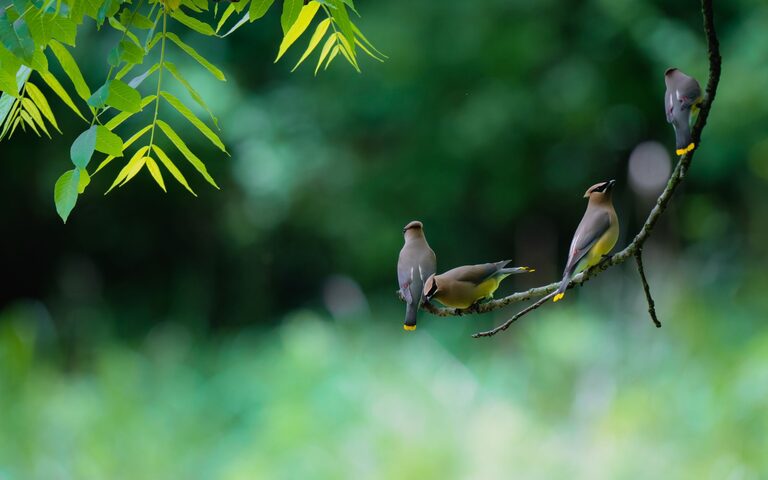
Birdwatching is a relaxing and rewarding hobby that anyone can enjoy, no matter where they live. Your backyard can become the perfect spot to observe a variety of birds and learn more about these fascinating creatures. If you’re new to birdwatching, these beginner tips will help you get started and make the most of your outdoor experience.
Why Backyard Birdwatching?
Birdwatching in your backyard offers several benefits:
– Convenience: You don’t need to travel; the birds come to you.
– Relaxation: Observing birds can reduce stress and help you connect with nature.
– Learning: It’s a fun way to learn about local wildlife and ecosystems.
Now, let’s dive into how you can start birdwatching right at home.
Setting Up Your Backyard for Birdwatching
1. Choose the Right Spot
Find a location in your yard where you can sit quietly and watch birds without being disturbed. Ideally, this spot should have a clear view of trees, shrubs, or a bird feeder. A comfortable chair or bench nearby will make your watching sessions more enjoyable.
2. Provide Food and Water
Birds visit where they can find food and water. Providing these resources will attract more species.
– Bird Feeders: Start with simple feeders filled with black oil sunflower seeds, which attract many common birds.
– Water Sources: A birdbath or shallow dish with fresh water encourages birds to visit and drink.
Remember to keep feeders and water clean to prevent the spread of disease.
3. Add Native Plants
Planting native trees, shrubs, and flowers creates a natural habitat for birds. Native plants provide shelter, nesting sites, and food like berries and insects.
Essential Gear for Beginner Birdwatchers
While you don’t need a lot of equipment to start, some basic gear will enhance your experience.
– Binoculars: A decent pair of binoculars helps you see birds clearly without disturbing them.
– Field Guide or App: Use a bird identification guidebook or a smartphone app to learn about the birds you spot.
– Notebook: Keep a journal to record the species you see and any interesting behaviors.
Tips for Successful Birdwatching
1. Be Patient and Quiet
Birds are sensitive to noise and sudden movements. Speak softly and move slowly to avoid scaring them away.
2. Watch at the Right Times
Birds are most active early in the morning and late afternoon. These times are best for spotting a variety of birds.
3. Learn Bird Behaviors
Observe how birds feed, fly, and interact. Noticing these patterns can help you identify species more easily.
4. Start with Common Birds
Don’t worry if you don’t spot rare birds right away. Begin by learning the common species in your area and gradually expand your knowledge.
How to Identify Birds
Identifying birds can be challenging but rewarding. Focus on a few key features:
– Size and Shape: Note the bird’s body length and shape of the beak and tail.
– Colors and Patterns: Look for distinctive markings and colors on the feathers.
– Sounds: Bird songs and calls are often unique and can aid identification.
– Behavior: Some species have characteristic movement or feeding habits.
Using a combination of these clues along with a guide or app will improve your identification skills.
Ethical Birdwatching Practices
Respecting birds and their habitats ensures that birdwatching remains sustainable and enjoyable.
– Keep Distance: Avoid getting too close or disturbing nests.
– Avoid Chemicals: Don’t use pesticides or harmful chemicals that could affect birds.
– Clean Up: Maintain clean feeding and watering stations to protect bird health.
– Do Not Feed Harmful Foods: Avoid bread or processed foods that are unhealthy for birds.
Getting Involved and Learning More
Joining a local birdwatching club or online community can be a great way to learn more. These groups often organize bird walks, share tips, and provide support for beginners.
Additionally, many websites and apps offer bird identification help, bird counts, and other resources to deepen your birdwatching hobby.
Conclusion
Backyard birdwatching is an accessible and enjoyable way to connect with nature. By setting up your yard, choosing the right gear, and practicing patient observation, you’ll soon find yourself spotting and identifying a variety of birds. Remember to observe ethically and have fun as you learn about the vibrant birdlife just outside your door. Happy birdwatching!